![[EN]](data:image/png;base64,iVBORw0KGgoAAAANSUhEUgAAAB4AAAAUCAYAAACaq43EAAAAGXRFWHRTb2Z0d2FyZQBBZG9iZSBJbWFnZVJlYWR5ccllPAAAAyRpVFh0WE1MOmNvbS5hZG9iZS54bXAAAAAAADw/eHBhY2tldCBiZWdpbj0i77u/IiBpZD0iVzVNME1wQ2VoaUh6cmVTek5UY3prYzlkIj8+IDx4OnhtcG1ldGEgeG1sbnM6eD0iYWRvYmU6bnM6bWV0YS8iIHg6eG1wdGs9IkFkb2JlIFhNUCBDb3JlIDUuMy1jMDExIDY2LjE0NTY2MSwgMjAxMi8wMi8wNi0xNDo1NjoyNyAgICAgICAgIj4gPHJkZjpSREYgeG1sbnM6cmRmPSJodHRwOi8vd3d3LnczLm9yZy8xOTk5LzAyLzIyLXJkZi1zeW50YXgtbnMjIj4gPHJkZjpEZXNjcmlwdGlvbiByZGY6YWJvdXQ9IiIgeG1sbnM6eG1wPSJodHRwOi8vbnMuYWRvYmUuY29tL3hhcC8xLjAvIiB4bWxuczp4bXBNTT0iaHR0cDovL25zLmFkb2JlLmNvbS94YXAvMS4wL21tLyIgeG1sbnM6c3RSZWY9Imh0dHA6Ly9ucy5hZG9iZS5jb20veGFwLzEuMC9zVHlwZS9SZXNvdXJjZVJlZiMiIHhtcDpDcmVhdG9yVG9vbD0iQWRvYmUgUGhvdG9zaG9wIENTNiAoTWFjaW50b3NoKSIgeG1wTU06SW5zdGFuY2VJRD0ieG1wLmlpZDpERTc5MkI3RjE3OEExMUUyQTcxNDlDNEFCRkNENzc2NiIgeG1wTU06RG9jdW1lbnRJRD0ieG1wLmRpZDpERTc5MkI4MDE3OEExMUUyQTcxNDlDNEFCRkNENzc2NiI+IDx4bXBNTTpEZXJpdmVkRnJvbSBzdFJlZjppbnN0YW5jZUlEPSJ4bXAuaWlkOkEyMTE0RjIyMTc4QTExRTJBNzE0OUM0QUJGQ0Q3NzY2IiBzdFJlZjpkb2N1bWVudElEPSJ4bXAuZGlkOkRFNzkyQjdFMTc4QTExRTJBNzE0OUM0QUJGQ0Q3NzY2Ii8+IDwvcmRmOkRlc2NyaXB0aW9uPiA8L3JkZjpSREY+IDwveDp4bXBtZXRhPiA8P3hwYWNrZXQgZW5kPSJyIj8+60cYSwAAAyhJREFUeNrElN1PU3cYxz/tOQUBD/aNymtbUAq2IOiUWXmZA40Iy2BzcW53y7JlyZLtZuE/8NaY7Gbe7WJbdJnTDOdQCbLKrERUotgCSodQ7AsFpK28yKT7rfsL2gv7JCcn+eV3zpPv5/l+H9X2xp65SqtJGfr1Fg3vNPD02SIhfwRniwP3pdvsOVxPaCHGs7+DOA/VJs8crXXEs3P48OfTfMIcU+SRaqlMzm8SNut2VuefIxvyydZIxFbWyX35iviLNZRiPZJaxdLyCkoiQUyc6cwFTPvC9FRkcbJMy7JaTrmxHIuvxaZm5xW7+Jl3NkKRaRt5OVlMjvuoqa9gwr9AgS4PvTYP78hjdtVVEAw9J+Kdxv7Td+hL8tGTeslGg8Jeexk3/riLs62O+cU441NBDjbZGbg+SlNbPYvRF9zzzHCoycFA/yhvCtRqnZbr5a1YEjGm5S2po1ZXfRHVaCTlWLODq24v1eWFGPVbuXH5Dh3vORm88xhziR5zoZ5rl9y0dx/ggS/EzGSQs5Ua3s39h7CUlbri0mKdUGzmijBXqzBXYH4Z931fsmlf7zBvd+wjIigMDI/TcbyRvt+GOSgUZ62uU3S2h8IdRgrTQK1S2T6PyhpZ+aB9LxcF2hpbCUUF27hy4S+Of/wWfUMeykuNVIin9/xNuj9qYWR8juknIc5szNC1voA/DdSypayAhlor57/vp/NEC7OBRfpveek+0cwvP/7JsfedhEWcLg8+pOtkMxfOuTjc5WSrSc+S6ymSQYtGyk5dsVT9/4zbhZmu3Z5IztggXOwSZjvSuZ+hUR9mEan/KAz+PkJb5z7GngSYdXu46T9Ho3EL6ZSKnZ9Fax0W5aFrDNuB6mROA6El7BYTnns+bPt3srK2gV+QcIjIPRLzrxL3ZkLLfB0c40udRCAd1EfFNioxaSG+Sl2NmchSnCKjwh6HBWlzk/rd1uTyMOTn8MbuctRiieyqLKbKbqXs4gSvQmFephOnRCIRFW+F11yyp/3TtD/eSKjYTM4rjcZh110yUZlDPfnVqcwovkppRhRnDrX/2x+UjKDuJXcuE4r/FWAAjBMttNdoYOEAAAAASUVORK5CYII=)
 One area where organizations often struggle to streamline processes is in managing proposal workflows. Proposals are crucial for securing new business, but the manual processes involved can be time-consuming and error-prone.
Understanding Proposal Workflows
What are Proposal Workflows?
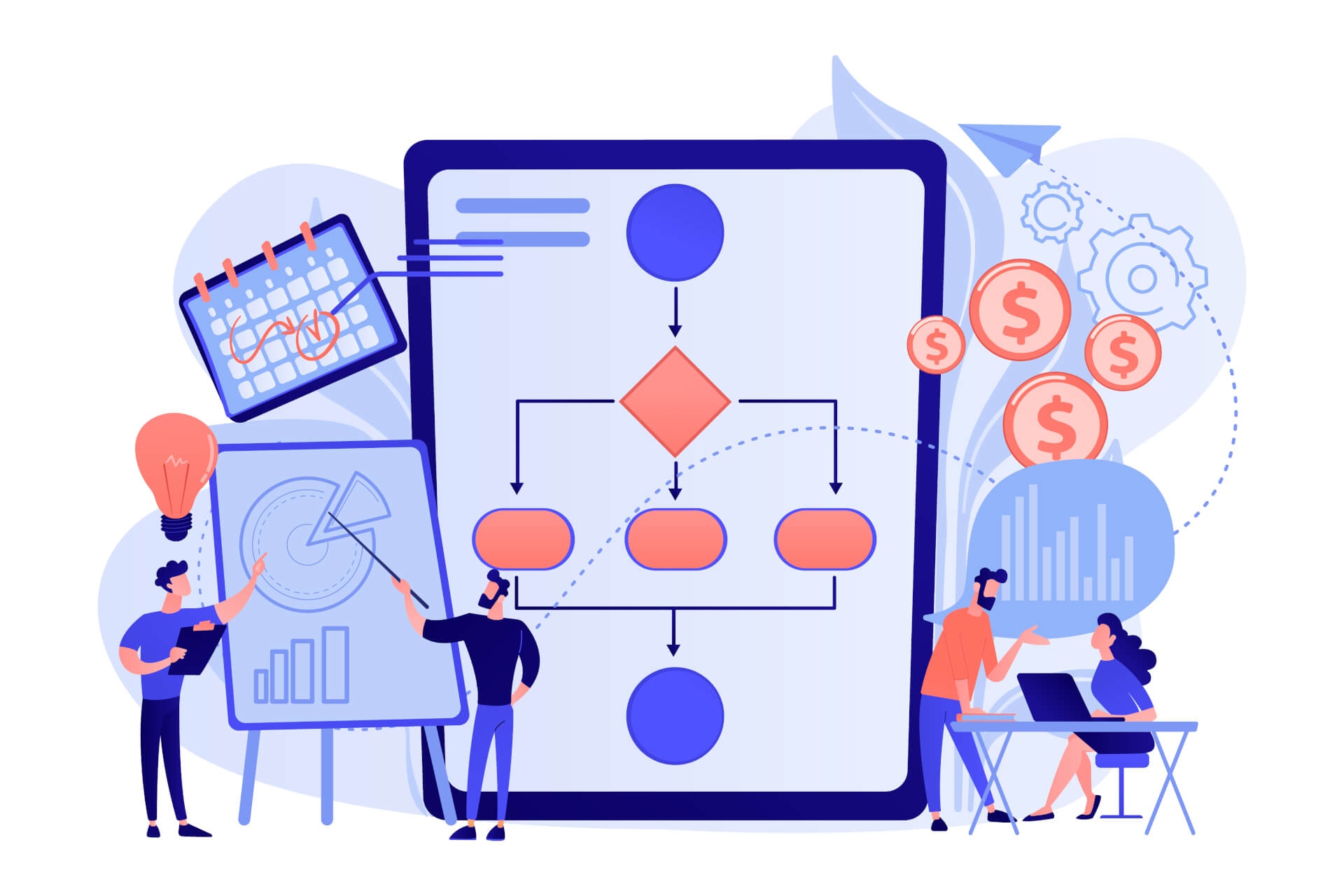
Proposal workflows refer to the series of steps involved in creating, reviewing, and approving proposals before they are sent to potential clients. These steps typically include
- gathering requirements
- drafting the proposal content
- seeking approvals
- and sending the final proposal to the client.
Importance of Proposal Workflows
Efficient proposal workflows are essential for ensuring that proposals are delivered on time, are accurate, and meet the client's requirements.
By streamlining the proposal process, organizations can improve their win rates, reduce errors, and ultimately drive revenue growth.
Common Challenges in Proposal Workflows
Some common challenges in proposal workflows include
- manual data entry
- lack of collaboration among team members
- version control issues
- and difficulty tracking the status of proposals.
These challenges can lead to delays in sending out proposals, inconsistencies in messaging, and missed opportunities.
 Reading Recommendation: After sending out the proposal, it is important to gather feedback from the recipient. Our Blog Article explains how to "Streamline Your Follow-Up Process with Coposal"
Integrating Proposal Workflows with CRM
Benefits of Integrating Proposal Workflows with CRM
Integrating proposal workflows with customer relationship management (CRM) systems can bring numerous benefits to organizations.
By connecting proposal data with customer data, organizations can gain insights into customer preferences, track the status of proposals in real-time, and automate repetitive tasks.
Best Practices for Seamless Integration
To ensure a seamless integration between proposal workflows and CRM systems, organizations should define clear processes, establish data mapping rules, and train employees on the new system.
It's also important to regularly review and update the integration to ensure it meets the evolving needs of the business.
Tools and Technologies for Integration
There are several tools and technologies available to help organizations integrate their proposal workflows with CRM systems.
These include
- CRM software with built-in proposal management capabilities
- integration platforms that connect disparate systems
- and workflow automation tools that streamline the proposal process.
Leveraging Customer Data in Proposal Workflows
Importance of Customer Data in Proposals
Customer data plays a crucial role in crafting personalized and targeted proposals. By leveraging customer data such as past interactions, preferences, and purchase history, organizations can tailor their proposals to meet the specific needs of each client, increasing the chances of success.
Personalization and Customization in Proposals
Personalization is key to standing out in a crowded marketplace. By using customer data to personalize proposals with relevant content, pricing, and messaging, organizations can create a compelling value proposition that resonates with potential clients.
Data Security and Compliance Considerations
When leveraging customer data in proposal workflows, organizations must prioritize data security and compliance. This includes implementing robust data protection measures, obtaining consent for data usage, and ensuring compliance with regulations such as GDPR and CCPA.
 Reading Recommendation: If you want to learn more about how to make your offers compliant, we suggest our Blog Article "International Legal Standards for Business Proposals"
Examples of Successful Integration
 Case Study: Company's CRM-Proposal Workflow Integration
A leading software company successfully integrated their CRM system with their proposal workflow tool to streamline the proposal process.
By automating data transfer between systems, they were able to reduce errors, improve collaboration among team members, and track the status of proposals in real-time.
Lessons Learned from Successful Integrations
From ths example and other successful integrations, organizations can learn the importance of defining clear objectives, involving key stakeholders in the integration process, and continuously monitoring and optimizing the integration for maximum efficiency.
Conclusion
Integrating proposal workflows with CRM systems and leveraging customer data can significantly improve the efficiency and effectiveness of the proposal process. By following best practices, using the right tools and technologies, and prioritizing data security, organizations can streamline their workflows, personalize their proposals, and ultimately win more business.
 Reading tip: If our article helped you and you would like to learn more about the topic of proposal management, you can find further information here: “Best practices for proposal management"
FAQs
How can integrating proposal workflows with CRM systems benefit my organization?
Integrating proposal workflows with CRM systems can provide real-time insights into customer preferences, automate repetitive tasks, and improve collaboration among team members, ultimately leading to increased win rates and revenue growth.
What are some common challenges organizations face in managing proposal workflows?
Common challenges in proposal workflows include manual data entry, lack of collaboration among team members, version control issues, and difficulty tracking the status of proposals.
How can organizations ensure data security and compliance when leveraging customer data in proposals?
Organizations can ensure data security and compliance by implementing robust data protection measures, obtaining consent for data usage, and ensuring compliance with regulations such as GDPR and CCPA.
What are some best practices for seamless integration between proposal workflows and CRM systems?
Best practices for seamless integration include defining clear processes, establishing data mapping rules, training employees on the new system, and regularly reviewing and updating the integration to meet evolving business needs.
How can organizations personalize proposals using customer data?
Organizations can personalize proposals using customer data by tailoring content, pricing, and messaging to meet the specific needs and preferences of each client, creating a compelling value proposition that resonates with potential clients.