![[EN]](data:image/png;base64,iVBORw0KGgoAAAANSUhEUgAAAB4AAAAUCAYAAACaq43EAAAAGXRFWHRTb2Z0d2FyZQBBZG9iZSBJbWFnZVJlYWR5ccllPAAAAyRpVFh0WE1MOmNvbS5hZG9iZS54bXAAAAAAADw/eHBhY2tldCBiZWdpbj0i77u/IiBpZD0iVzVNME1wQ2VoaUh6cmVTek5UY3prYzlkIj8+IDx4OnhtcG1ldGEgeG1sbnM6eD0iYWRvYmU6bnM6bWV0YS8iIHg6eG1wdGs9IkFkb2JlIFhNUCBDb3JlIDUuMy1jMDExIDY2LjE0NTY2MSwgMjAxMi8wMi8wNi0xNDo1NjoyNyAgICAgICAgIj4gPHJkZjpSREYgeG1sbnM6cmRmPSJodHRwOi8vd3d3LnczLm9yZy8xOTk5LzAyLzIyLXJkZi1zeW50YXgtbnMjIj4gPHJkZjpEZXNjcmlwdGlvbiByZGY6YWJvdXQ9IiIgeG1sbnM6eG1wPSJodHRwOi8vbnMuYWRvYmUuY29tL3hhcC8xLjAvIiB4bWxuczp4bXBNTT0iaHR0cDovL25zLmFkb2JlLmNvbS94YXAvMS4wL21tLyIgeG1sbnM6c3RSZWY9Imh0dHA6Ly9ucy5hZG9iZS5jb20veGFwLzEuMC9zVHlwZS9SZXNvdXJjZVJlZiMiIHhtcDpDcmVhdG9yVG9vbD0iQWRvYmUgUGhvdG9zaG9wIENTNiAoTWFjaW50b3NoKSIgeG1wTU06SW5zdGFuY2VJRD0ieG1wLmlpZDpERTc5MkI3RjE3OEExMUUyQTcxNDlDNEFCRkNENzc2NiIgeG1wTU06RG9jdW1lbnRJRD0ieG1wLmRpZDpERTc5MkI4MDE3OEExMUUyQTcxNDlDNEFCRkNENzc2NiI+IDx4bXBNTTpEZXJpdmVkRnJvbSBzdFJlZjppbnN0YW5jZUlEPSJ4bXAuaWlkOkEyMTE0RjIyMTc4QTExRTJBNzE0OUM0QUJGQ0Q3NzY2IiBzdFJlZjpkb2N1bWVudElEPSJ4bXAuZGlkOkRFNzkyQjdFMTc4QTExRTJBNzE0OUM0QUJGQ0Q3NzY2Ii8+IDwvcmRmOkRlc2NyaXB0aW9uPiA8L3JkZjpSREY+IDwveDp4bXBtZXRhPiA8P3hwYWNrZXQgZW5kPSJyIj8+60cYSwAAAyhJREFUeNrElN1PU3cYxz/tOQUBD/aNymtbUAq2IOiUWXmZA40Iy2BzcW53y7JlyZLtZuE/8NaY7Gbe7WJbdJnTDOdQCbLKrERUotgCSodQ7AsFpK28yKT7rfsL2gv7JCcn+eV3zpPv5/l+H9X2xp65SqtJGfr1Fg3vNPD02SIhfwRniwP3pdvsOVxPaCHGs7+DOA/VJs8crXXEs3P48OfTfMIcU+SRaqlMzm8SNut2VuefIxvyydZIxFbWyX35iviLNZRiPZJaxdLyCkoiQUyc6cwFTPvC9FRkcbJMy7JaTrmxHIuvxaZm5xW7+Jl3NkKRaRt5OVlMjvuoqa9gwr9AgS4PvTYP78hjdtVVEAw9J+Kdxv7Td+hL8tGTeslGg8Jeexk3/riLs62O+cU441NBDjbZGbg+SlNbPYvRF9zzzHCoycFA/yhvCtRqnZbr5a1YEjGm5S2po1ZXfRHVaCTlWLODq24v1eWFGPVbuXH5Dh3vORm88xhziR5zoZ5rl9y0dx/ggS/EzGSQs5Ua3s39h7CUlbri0mKdUGzmijBXqzBXYH4Z931fsmlf7zBvd+wjIigMDI/TcbyRvt+GOSgUZ62uU3S2h8IdRgrTQK1S2T6PyhpZ+aB9LxcF2hpbCUUF27hy4S+Of/wWfUMeykuNVIin9/xNuj9qYWR8juknIc5szNC1voA/DdSypayAhlor57/vp/NEC7OBRfpveek+0cwvP/7JsfedhEWcLg8+pOtkMxfOuTjc5WSrSc+S6ymSQYtGyk5dsVT9/4zbhZmu3Z5IztggXOwSZjvSuZ+hUR9mEan/KAz+PkJb5z7GngSYdXu46T9Ho3EL6ZSKnZ9Fax0W5aFrDNuB6mROA6El7BYTnns+bPt3srK2gV+QcIjIPRLzrxL3ZkLLfB0c40udRCAd1EfFNioxaSG+Sl2NmchSnCKjwh6HBWlzk/rd1uTyMOTn8MbuctRiieyqLKbKbqXs4gSvQmFephOnRCIRFW+F11yyp/3TtD/eSKjYTM4rjcZh110yUZlDPfnVqcwovkppRhRnDrX/2x+UjKDuJXcuE4r/FWAAjBMttNdoYOEAAAAASUVORK5CYII=)
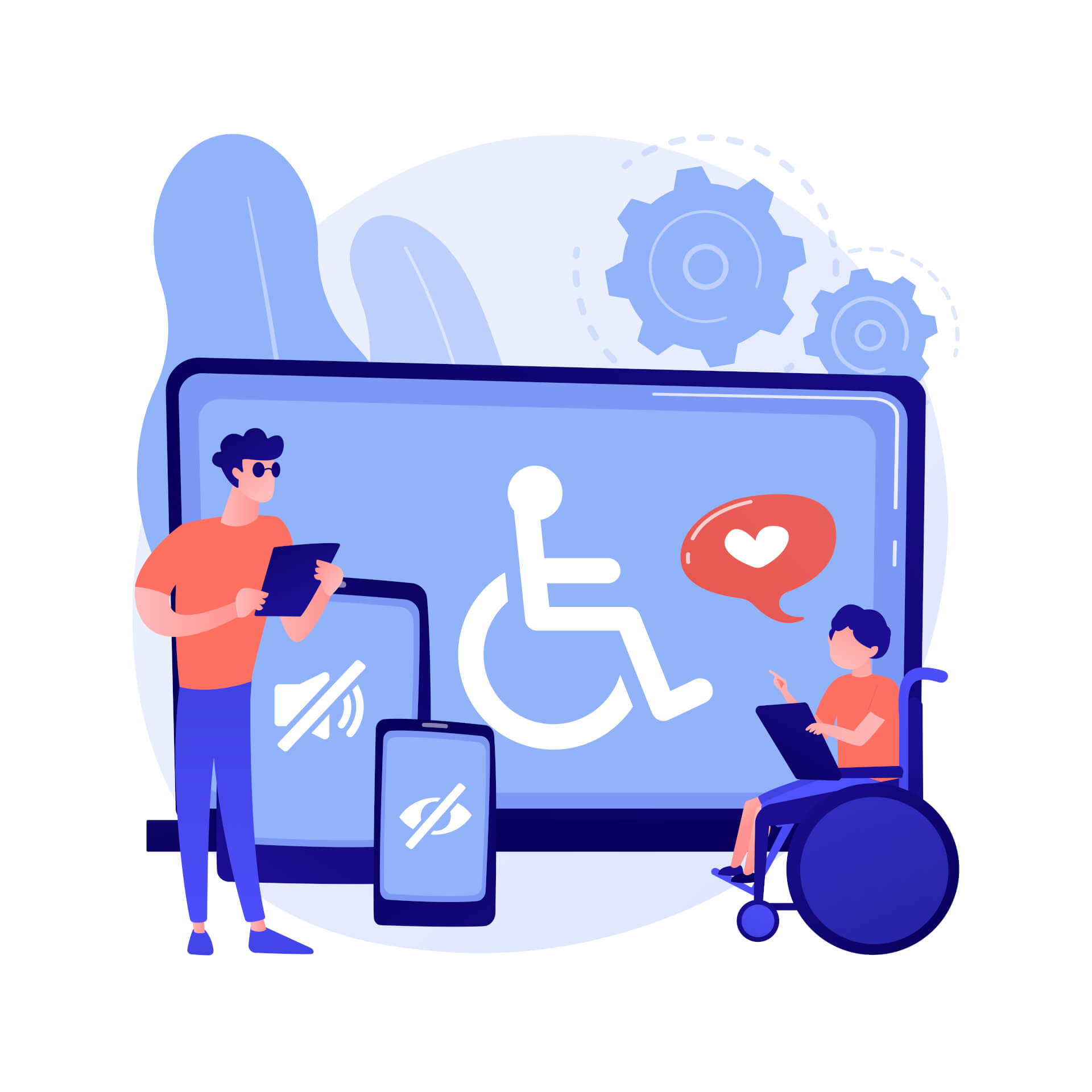 Online proposals have become a common way for businesses to communicate their ideas, products, and services to potential clients. However, many companies overlook the importance of accessibility in these proposals, inadvertently excluding individuals with disabilities from accessing the information.
Accessibility in online proposals refers to the design and development of proposal documents in a way that allows individuals with disabilities to access and understand the content.
This includes considerations for users who may have visual, auditory, motor, or cognitive impairments.
Understanding Accessibility in Online Proposals
What is Accessibility in the Context of Online Proposals?
Accessibility in online proposals involves creating documents that can be easily navigated, understood, and interacted with by individuals of all abilities. This includes
- using proper heading structures
- alt text for images
- color contrast for readability
- and ensuring keyboard navigation options.
Why is Accessibility Important in Online Proposals?
Accessibility in online proposals is crucial for ensuring that all users, regardless of their abilities, can access the information presented. By making proposals accessible, businesses demonstrate their commitment to inclusivity and reach a wider audience.
Common Misconceptions about Accessibility in Online Proposals
One common misconception is that accessibility features may compromise the design or aesthetics of online proposals. However, with proper implementation, accessibility can enhance the user experience for all individuals.
Benefits of Implementing Accessibility in Online Proposals

Improved User Experience
By incorporating accessibility features in online proposals, businesses can provide a more user-friendly experience for all users, leading to increased engagement and satisfaction.
Compliance with Legal Requirements
Ensuring accessibility in online proposals also helps businesses comply with legal requirements such as the Americans with Disabilities Act (ADA) and the Web Content Accessibility Guidelines (WCAG).
Expanded Reach and Inclusivity
Accessible online proposals allow businesses to reach a broader audience, including individuals with disabilities who may have been previously excluded from accessing the information.
 Reading recommendation: You can find more information about Legal Requirements in proposals in our blog article "What are key components to achieve compliance of proposals? 7 ways to success."
How to Ensure Accessibility in Online Proposals
Use of Alt Text for Images
Including descriptive alt text for images in online proposals allows individuals using screen readers to understand the content of the images.
Proper Heading Structure
Using proper heading structures such as H1, H2, and H3 tags helps users navigate through the proposal document easily and understand the hierarchy of information.
Color Contrast and Readability
Ensuring sufficient color contrast and readability in online proposals makes the content more accessible to users with visual impairments.
Keyboard Navigation and Focus Order
Providing keyboard navigation options and maintaining a logical focus order in online proposals enables users to navigate through the content without relying on a mouse.
Testing and User Feedback
Regularly testing online proposals for accessibility issues and gathering feedback from users with disabilities can help identify areas for improvement and ensure a more inclusive design.
Tools and Resources for Accessibility in Online Proposals
 Screen Reader Compatibility Tools
Tools such as NVDA and JAWS help businesses test the compatibility of online proposals with screen readers used by individuals with visual impairments.
Color Contrast Checkers
Online tools like WebAIM Color Contrast Checker can be used to ensure that the color combinations used in online proposals meet accessibility standards.
Accessibility Testing Platforms
Platforms like Axe and WAVE allow businesses to scan online proposals for accessibility issues and receive recommendations for improvement.
Case Studies: Successful Implementation of Accessibility in Online Proposals
- A Case Study in Inclusive Design: A Company revamped its online proposals by incorporating accessibility features such as alt text for images and proper heading structures, resulting in a more inclusive design and positive feedback from users.
- Overcoming Accessibility Challenges: Another Company faced accessibility challenges in its online proposals but successfully addressed them by conducting user testing, implementing keyboard navigation options, and ensuring color contrast compliance.
Conclusion
In conclusion, accessibility in online proposals is essential for creating a more inclusive and user-friendly experience for all individuals. By implementing accessibility features and following best practices, businesses can reach a wider audience, comply with legal requirements, and demonstrate their commitment to inclusivity.
 Reading tip: If our article helped you and you would like to find out more about creating online proposal, we recommend our little guide: Creating Successful Online Proposals: A Guide
FAQs on Accessibility in Online Proposals
Why is accessibility important in online proposals?
Accessibility in online proposals ensures that individuals of all abilities can access and understand the content, leading to a more inclusive user experience.
How can businesses test the accessibility of their online proposals?
Businesses can use tools such as screen reader compatibility tools, color contrast checkers, and accessibility testing platforms to identify and address accessibility issues in their online proposals.
What are some common misconceptions about accessibility in online proposals?
One common misconception is that accessibility features may compromise the design of online proposals. However, with proper implementation, accessibility can enhance the user experience for all individuals.
How can businesses ensure keyboard navigation in online proposals?
Businesses can ensure keyboard navigation in online proposals by providing clear focus indicators, maintaining a logical tab order, and allowing users to navigate through the content using keyboard shortcuts.
What are the benefits of implementing accessibility in online proposals?
Benefits of implementing accessibility in online proposals include improved user experience, compliance with legal requirements, and expanded reach to a wider audience, including individuals with disabilities.