![[EN]](data:image/png;base64,iVBORw0KGgoAAAANSUhEUgAAAB4AAAAUCAYAAACaq43EAAAAGXRFWHRTb2Z0d2FyZQBBZG9iZSBJbWFnZVJlYWR5ccllPAAAAyRpVFh0WE1MOmNvbS5hZG9iZS54bXAAAAAAADw/eHBhY2tldCBiZWdpbj0i77u/IiBpZD0iVzVNME1wQ2VoaUh6cmVTek5UY3prYzlkIj8+IDx4OnhtcG1ldGEgeG1sbnM6eD0iYWRvYmU6bnM6bWV0YS8iIHg6eG1wdGs9IkFkb2JlIFhNUCBDb3JlIDUuMy1jMDExIDY2LjE0NTY2MSwgMjAxMi8wMi8wNi0xNDo1NjoyNyAgICAgICAgIj4gPHJkZjpSREYgeG1sbnM6cmRmPSJodHRwOi8vd3d3LnczLm9yZy8xOTk5LzAyLzIyLXJkZi1zeW50YXgtbnMjIj4gPHJkZjpEZXNjcmlwdGlvbiByZGY6YWJvdXQ9IiIgeG1sbnM6eG1wPSJodHRwOi8vbnMuYWRvYmUuY29tL3hhcC8xLjAvIiB4bWxuczp4bXBNTT0iaHR0cDovL25zLmFkb2JlLmNvbS94YXAvMS4wL21tLyIgeG1sbnM6c3RSZWY9Imh0dHA6Ly9ucy5hZG9iZS5jb20veGFwLzEuMC9zVHlwZS9SZXNvdXJjZVJlZiMiIHhtcDpDcmVhdG9yVG9vbD0iQWRvYmUgUGhvdG9zaG9wIENTNiAoTWFjaW50b3NoKSIgeG1wTU06SW5zdGFuY2VJRD0ieG1wLmlpZDpERTc5MkI3RjE3OEExMUUyQTcxNDlDNEFCRkNENzc2NiIgeG1wTU06RG9jdW1lbnRJRD0ieG1wLmRpZDpERTc5MkI4MDE3OEExMUUyQTcxNDlDNEFCRkNENzc2NiI+IDx4bXBNTTpEZXJpdmVkRnJvbSBzdFJlZjppbnN0YW5jZUlEPSJ4bXAuaWlkOkEyMTE0RjIyMTc4QTExRTJBNzE0OUM0QUJGQ0Q3NzY2IiBzdFJlZjpkb2N1bWVudElEPSJ4bXAuZGlkOkRFNzkyQjdFMTc4QTExRTJBNzE0OUM0QUJGQ0Q3NzY2Ii8+IDwvcmRmOkRlc2NyaXB0aW9uPiA8L3JkZjpSREY+IDwveDp4bXBtZXRhPiA8P3hwYWNrZXQgZW5kPSJyIj8+60cYSwAAAyhJREFUeNrElN1PU3cYxz/tOQUBD/aNymtbUAq2IOiUWXmZA40Iy2BzcW53y7JlyZLtZuE/8NaY7Gbe7WJbdJnTDOdQCbLKrERUotgCSodQ7AsFpK28yKT7rfsL2gv7JCcn+eV3zpPv5/l+H9X2xp65SqtJGfr1Fg3vNPD02SIhfwRniwP3pdvsOVxPaCHGs7+DOA/VJs8crXXEs3P48OfTfMIcU+SRaqlMzm8SNut2VuefIxvyydZIxFbWyX35iviLNZRiPZJaxdLyCkoiQUyc6cwFTPvC9FRkcbJMy7JaTrmxHIuvxaZm5xW7+Jl3NkKRaRt5OVlMjvuoqa9gwr9AgS4PvTYP78hjdtVVEAw9J+Kdxv7Td+hL8tGTeslGg8Jeexk3/riLs62O+cU441NBDjbZGbg+SlNbPYvRF9zzzHCoycFA/yhvCtRqnZbr5a1YEjGm5S2po1ZXfRHVaCTlWLODq24v1eWFGPVbuXH5Dh3vORm88xhziR5zoZ5rl9y0dx/ggS/EzGSQs5Ua3s39h7CUlbri0mKdUGzmijBXqzBXYH4Z931fsmlf7zBvd+wjIigMDI/TcbyRvt+GOSgUZ62uU3S2h8IdRgrTQK1S2T6PyhpZ+aB9LxcF2hpbCUUF27hy4S+Of/wWfUMeykuNVIin9/xNuj9qYWR8juknIc5szNC1voA/DdSypayAhlor57/vp/NEC7OBRfpveek+0cwvP/7JsfedhEWcLg8+pOtkMxfOuTjc5WSrSc+S6ymSQYtGyk5dsVT9/4zbhZmu3Z5IztggXOwSZjvSuZ+hUR9mEan/KAz+PkJb5z7GngSYdXu46T9Ho3EL6ZSKnZ9Fax0W5aFrDNuB6mROA6El7BYTnns+bPt3srK2gV+QcIjIPRLzrxL3ZkLLfB0c40udRCAd1EfFNioxaSG+Sl2NmchSnCKjwh6HBWlzk/rd1uTyMOTn8MbuctRiieyqLKbKbqXs4gSvQmFephOnRCIRFW+F11yyp/3TtD/eSKjYTM4rjcZh110yUZlDPfnVqcwovkppRhRnDrX/2x+UjKDuJXcuE4r/FWAAjBMttNdoYOEAAAAASUVORK5CYII=)
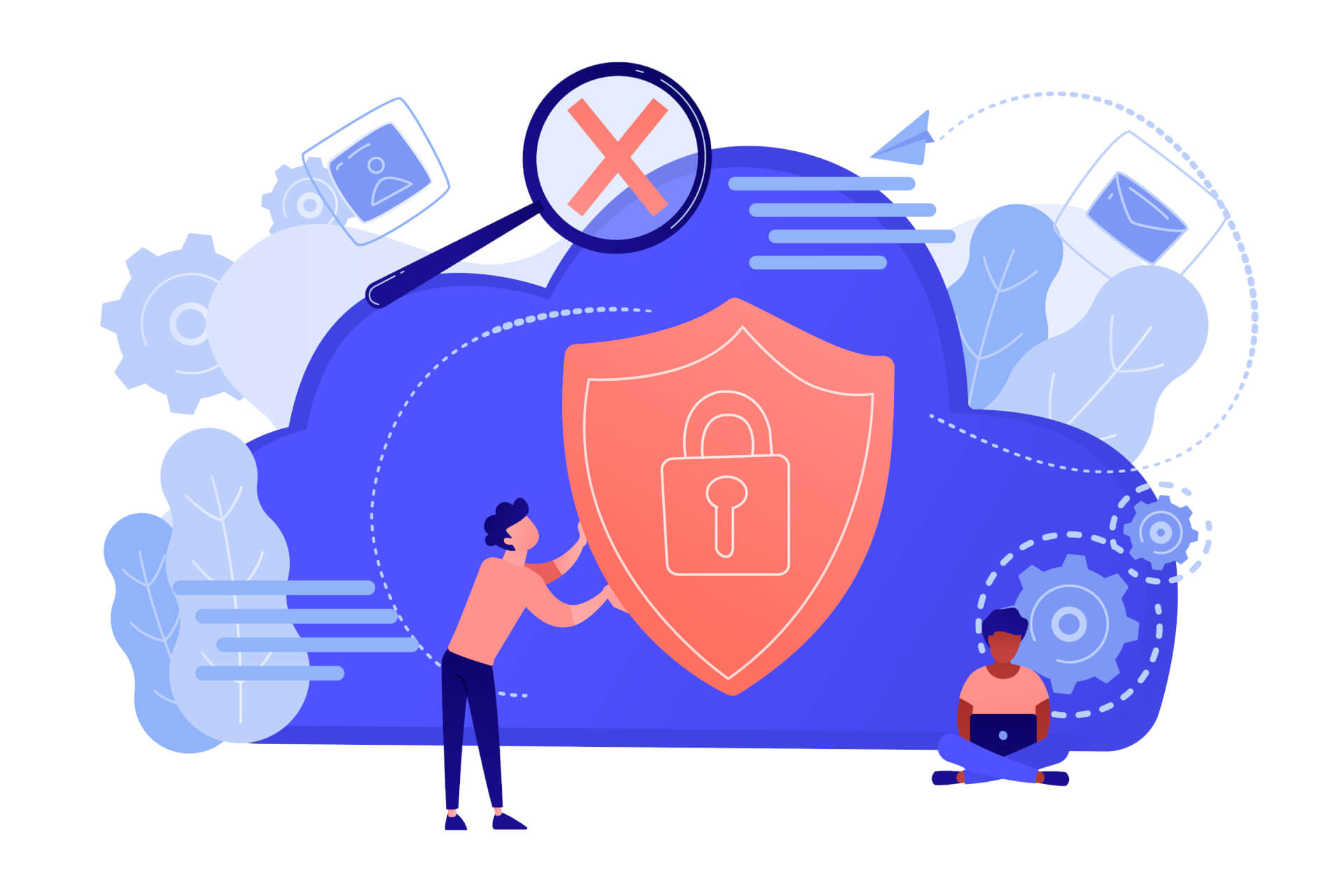 The way we conduct business has shifted towards online platforms. One crucial aspect of business operations is the creation and sharing of proposals. However, with this convenience comes the risk of online proposal security breaches.
Online proposals are essential for businesses to communicate their ideas, services, and products to potential clients. However, the sensitive information contained in these proposals makes them a prime target for cybercriminals.
In this comprehensive guide, we will delve into the common online proposal security risks that businesses face and provide actionable steps to avoid them.
Understanding Online Proposal Security Risks
What are Online Proposal Security Risks?
Online proposal security risks refer to the vulnerabilities and threats that can compromise the confidentiality, integrity, and availability of proposal documents.
These risks can arise from various sources, including unauthorized access, malware attacks, phishing scams, and insecure communication channels.
Common Types of Online Proposal Security Risks
Some of the common types of online proposal security risks include:
- Phishing Attacks: Cybercriminals may use deceptive emails or messages to trick users into revealing sensitive information.
- Data Breaches: Unauthorized access to proposal documents can lead to the exposure of confidential information.
- Malware Infections: Malicious software can infect proposal files and compromise the security of the entire system.
- Man-in-the-Middle Attacks: Hackers intercept communication between parties to steal sensitive data.
Impact of Online Proposal Security Risks
 Consequences of Ignoring Online Proposal Security Risks
Ignoring online proposal security risks can have severe consequences for businesses.
Data breaches can result in financial losses, damage to reputation, legal liabilities, and loss of trust from clients.
It is essential for organizations to prioritize the security of their online proposals to safeguard their sensitive information.
Real-World Examples of Online Proposal Security Breaches
Numerous high-profile companies have fallen victim to online proposal security breaches, leading to significant financial and reputational damage.
For example, in 2017, Equifax suffered a massive data breach that exposed the personal information of millions of customers. These incidents highlight the importance of implementing robust security measures to protect online proposals.
Best Practices for Securing Online Proposals
Implementing Encryption and Authentication
One of the most effective ways to secure online proposals is by implementing encryption and authentication mechanisms. Encrypting proposal documents ensures that only authorized users can access the information, while authentication verifies the identity of users before granting access.
Training Employees on Security Protocols
Human error is a common cause of online security breaches. By providing comprehensive training on security protocols and best practices, organizations can empower employees to recognize and mitigate potential risks effectively.
Regularly Updating Security Measures
Cyber threats are constantly evolving, making it crucial for businesses to stay ahead of potential risks. Regularly updating security measures, software, and protocols can help organizations adapt to new threats and protect their online proposals effectively.
 Reading Recommendation: Security and Data protection are of utmost importance. Our Blog Article "Online quotation tools and data protection?" dives deeper into the topic.
Tools and Technologies for Enhancing Online Proposal Security
 Secure File Sharing Platforms
Using secure file sharing platforms with built-in encryption and access controls can help businesses securely share online proposals with clients and collaborators.
Two-Factor Authentication Systems
Implementing two-factor authentication adds an extra layer of security to online proposal access, requiring users to verify their identity through multiple factors before gaining entry.
Virtual Private Networks (VPNs)
VPNs create a secure connection between users and the internet, encrypting data transmissions and protecting online proposals from potential eavesdropping and interception.
Common Myths and Misconceptions about Online Proposal Security
- Myth: Online Proposal Security is Only Important for Large Companies
Contrary to popular belief, online proposal security is essential for businesses of all sizes.
Small and medium-sized enterprises are equally susceptible to cyber threats and must prioritize the security of their online proposals. - Myth: Implementing Security Measures is Expensive and Time-Consuming
While enhancing online proposal security may require initial investments, the long-term benefits far outweigh the costs.
Implementing security measures can protect businesses from costly data breaches and potential legal repercussions.
Conclusion
In conclusion, online proposal security risks pose a significant threat to businesses, but with the right strategies and tools, these risks can be effectively mitigated.
By understanding the common types of security risks, implementing best practices, and utilizing advanced technologies, organizations can safeguard their online proposals and protect their sensitive information from cyber threats.
 Reading tip: If our article helped you and you would like to find out more about creating online proposal, we recommend our little guide: Creating Successful Online Proposals: A Guide
FAQs
How can I identify phishing emails targeting my online proposals?
To identify phishing emails targeting your online proposals, look out for suspicious sender addresses, grammatical errors, urgent requests for sensitive information, and unfamiliar attachments or links. It is essential to verify the legitimacy of the sender before responding to any requests.
Is two-factor authentication necessary for securing online proposals?
Yes, two-factor authentication is a crucial security measure for securing online proposals. By requiring users to verify their identity through multiple factors, such as passwords and biometric data, organizations can significantly reduce the risk of unauthorized access to sensitive information.
What are the benefits of using a VPN for enhancing online proposal security?
Using a VPN for enhancing online proposal security provides encrypted data transmissions, secure connections, and protection against potential eavesdropping and interception. VPNs create a private network that shields online proposals from cyber threats and ensures secure communication channels.
How often should organizations update their security measures for online proposals?
Organizations should regularly update their security measures for online proposals to stay ahead of evolving cyber threats. It is recommended to conduct security audits, implement software patches, and train employees on the latest security protocols to ensure the continuous protection of sensitive information.
Are there any free tools available for enhancing online proposal security?
Yes, there are free tools available for enhancing online proposal security, such as open-source encryption software, secure file sharing platforms with limited features, and basic two-factor authentication systems. While these tools may have limitations, they can still provide essential security enhancements for businesses on a budget.