![[EN]](data:image/png;base64,iVBORw0KGgoAAAANSUhEUgAAAB4AAAAUCAYAAACaq43EAAAAGXRFWHRTb2Z0d2FyZQBBZG9iZSBJbWFnZVJlYWR5ccllPAAAAyRpVFh0WE1MOmNvbS5hZG9iZS54bXAAAAAAADw/eHBhY2tldCBiZWdpbj0i77u/IiBpZD0iVzVNME1wQ2VoaUh6cmVTek5UY3prYzlkIj8+IDx4OnhtcG1ldGEgeG1sbnM6eD0iYWRvYmU6bnM6bWV0YS8iIHg6eG1wdGs9IkFkb2JlIFhNUCBDb3JlIDUuMy1jMDExIDY2LjE0NTY2MSwgMjAxMi8wMi8wNi0xNDo1NjoyNyAgICAgICAgIj4gPHJkZjpSREYgeG1sbnM6cmRmPSJodHRwOi8vd3d3LnczLm9yZy8xOTk5LzAyLzIyLXJkZi1zeW50YXgtbnMjIj4gPHJkZjpEZXNjcmlwdGlvbiByZGY6YWJvdXQ9IiIgeG1sbnM6eG1wPSJodHRwOi8vbnMuYWRvYmUuY29tL3hhcC8xLjAvIiB4bWxuczp4bXBNTT0iaHR0cDovL25zLmFkb2JlLmNvbS94YXAvMS4wL21tLyIgeG1sbnM6c3RSZWY9Imh0dHA6Ly9ucy5hZG9iZS5jb20veGFwLzEuMC9zVHlwZS9SZXNvdXJjZVJlZiMiIHhtcDpDcmVhdG9yVG9vbD0iQWRvYmUgUGhvdG9zaG9wIENTNiAoTWFjaW50b3NoKSIgeG1wTU06SW5zdGFuY2VJRD0ieG1wLmlpZDpERTc5MkI3RjE3OEExMUUyQTcxNDlDNEFCRkNENzc2NiIgeG1wTU06RG9jdW1lbnRJRD0ieG1wLmRpZDpERTc5MkI4MDE3OEExMUUyQTcxNDlDNEFCRkNENzc2NiI+IDx4bXBNTTpEZXJpdmVkRnJvbSBzdFJlZjppbnN0YW5jZUlEPSJ4bXAuaWlkOkEyMTE0RjIyMTc4QTExRTJBNzE0OUM0QUJGQ0Q3NzY2IiBzdFJlZjpkb2N1bWVudElEPSJ4bXAuZGlkOkRFNzkyQjdFMTc4QTExRTJBNzE0OUM0QUJGQ0Q3NzY2Ii8+IDwvcmRmOkRlc2NyaXB0aW9uPiA8L3JkZjpSREY+IDwveDp4bXBtZXRhPiA8P3hwYWNrZXQgZW5kPSJyIj8+60cYSwAAAyhJREFUeNrElN1PU3cYxz/tOQUBD/aNymtbUAq2IOiUWXmZA40Iy2BzcW53y7JlyZLtZuE/8NaY7Gbe7WJbdJnTDOdQCbLKrERUotgCSodQ7AsFpK28yKT7rfsL2gv7JCcn+eV3zpPv5/l+H9X2xp65SqtJGfr1Fg3vNPD02SIhfwRniwP3pdvsOVxPaCHGs7+DOA/VJs8crXXEs3P48OfTfMIcU+SRaqlMzm8SNut2VuefIxvyydZIxFbWyX35iviLNZRiPZJaxdLyCkoiQUyc6cwFTPvC9FRkcbJMy7JaTrmxHIuvxaZm5xW7+Jl3NkKRaRt5OVlMjvuoqa9gwr9AgS4PvTYP78hjdtVVEAw9J+Kdxv7Td+hL8tGTeslGg8Jeexk3/riLs62O+cU441NBDjbZGbg+SlNbPYvRF9zzzHCoycFA/yhvCtRqnZbr5a1YEjGm5S2po1ZXfRHVaCTlWLODq24v1eWFGPVbuXH5Dh3vORm88xhziR5zoZ5rl9y0dx/ggS/EzGSQs5Ua3s39h7CUlbri0mKdUGzmijBXqzBXYH4Z931fsmlf7zBvd+wjIigMDI/TcbyRvt+GOSgUZ62uU3S2h8IdRgrTQK1S2T6PyhpZ+aB9LxcF2hpbCUUF27hy4S+Of/wWfUMeykuNVIin9/xNuj9qYWR8juknIc5szNC1voA/DdSypayAhlor57/vp/NEC7OBRfpveek+0cwvP/7JsfedhEWcLg8+pOtkMxfOuTjc5WSrSc+S6ymSQYtGyk5dsVT9/4zbhZmu3Z5IztggXOwSZjvSuZ+hUR9mEan/KAz+PkJb5z7GngSYdXu46T9Ho3EL6ZSKnZ9Fax0W5aFrDNuB6mROA6El7BYTnns+bPt3srK2gV+QcIjIPRLzrxL3ZkLLfB0c40udRCAd1EfFNioxaSG+Sl2NmchSnCKjwh6HBWlzk/rd1uTyMOTn8MbuctRiieyqLKbKbqXs4gSvQmFephOnRCIRFW+F11yyp/3TtD/eSKjYTM4rjcZh110yUZlDPfnVqcwovkppRhRnDrX/2x+UjKDuJXcuE4r/FWAAjBMttNdoYOEAAAAASUVORK5CYII=)
 Many businesses struggle with pricing explanations that lead to pushback from customers.
Pricing explanations are more than just numbers on a page; they are a reflection of your value proposition and the perceived worth of your products or services. By understanding the psychology of pricing and mastering the art of communication, you can create pricing explanations that resonate with your target audience and drive conversions.
In this comprehensive guide, we will explore the art of crafting pricing explanations that not only justify your prices but also avoid resistance from potential clients.
Understanding the Psychology of Pricing
Anchoring Effect
The anchoring effect is a cognitive bias where individuals rely heavily on the first piece of information they receive when making decisions. When presenting your pricing, it's essential to anchor the customer's perception of value by highlighting the most compelling aspect of your offer first.
Framing Effect
The framing effect refers to how the presentation of information can influence decision-making. By framing your pricing explanations in a positive light and emphasizing the benefits of your products or services, you can mitigate pushback and increase the perceived value of your offerings.
Decoy Effect
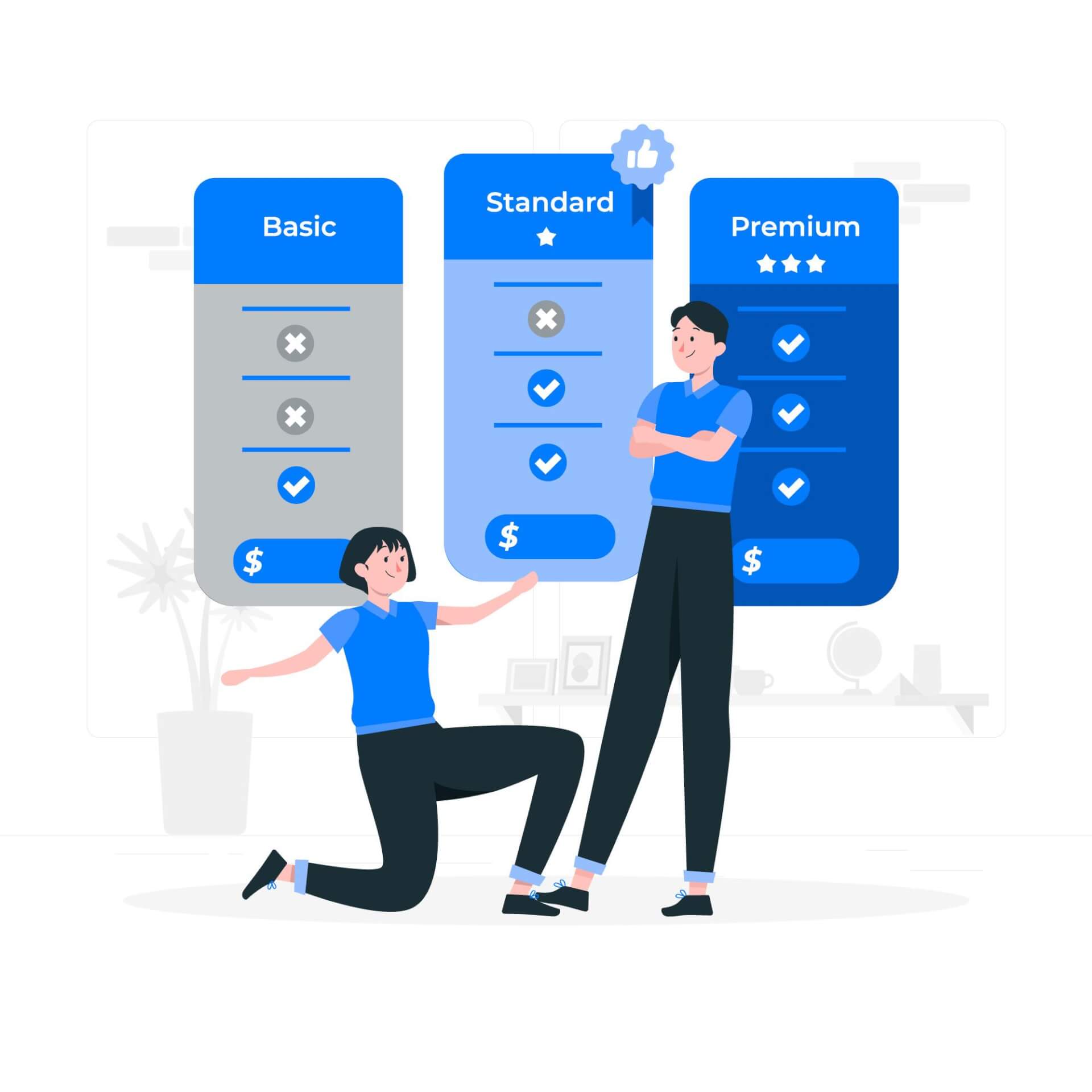
The decoy effect involves introducing a third option that makes one of the other options more appealing. When crafting pricing explanations, consider using the decoy effect to steer customers towards a specific pricing tier while making the other options seem less attractive in comparison.
Crafting Clear and Transparent Pricing Explanations
 Use Simple Language
Avoid jargon and technical terms when explaining your pricing to customers. Use language that is easy to understand and focus on the benefits and outcomes of your products or services rather than just the features.
Break Down Costs
Break down your pricing into manageable components to show customers exactly what they are paying for. By transparently detailing the costs involved, you can build trust and credibility with your audience.
Highlight Value Proposition
Clearly communicate the value proposition of your products or services in your pricing explanations. Help customers understand how your offerings can solve their problems or meet their needs, making the price seem like a worthwhile investment.
Addressing Common Pricing Concerns
Price vs. Value
Emphasize the value customers will receive from your products or services rather than just focusing on the price. Show how your offerings can deliver tangible benefits and solve specific pain points to justify the cost.
Competitive Pricing
Research your competitors' pricing strategies and position your offerings competitively. Highlight what sets your products or services apart and why customers should choose you over other options in the market.
Justifying Premium Pricing
If you are pricing your products or services at a premium, clearly articulate the reasons behind the higher cost. Demonstrate the superior quality, unique features, or exceptional service that justifies the premium pricing and sets you apart from lower-priced alternatives.
 Reading Recommendation: Our Blog Article dives deeper into the topic and talks about "Pricing for Online Quoting Tools: Importance and Added Value"
Implementing Pricing Strategies
 Freemium Model
Consider offering a freemium model where customers can access basic features for free but pay for additional premium features. This strategy allows customers to experience the value of your offerings before committing to a purchase.
Subscription Model
Subscription-based pricing offers customers recurring access to your products or services for a set fee. This model provides predictable revenue streams and fosters long-term relationships with customers who value ongoing support or updates.
Value-Based Pricing
Base your pricing on the perceived value of your offerings to customers rather than the cost of production. By aligning your prices with the benefits and outcomes your products or services deliver, you can capture the true worth of your solutions in the eyes of your target audience.
Conclusion
Crafting pricing explanations that avoid pushback requires a deep understanding of the psychology of pricing, effective communication strategies, and a focus on value-driven pricing models.
By implementing the tips and techniques outlined in this guide, you can create compelling pricing explanations that resonate with customers and drive business growth.
 Reading Tip: If our article has been helpful and you'd like to learn more tips for writing proposals, continue reading here: "Mandatory Information in Your Proposals - What Should Never Be Missing"
FAQs
How can I justify premium pricing to customers?
To justify premium pricing, clearly communicate the unique value proposition, superior quality, and exceptional benefits of your products or services that justify the higher cost.
What is the decoy effect in pricing?
The decoy effect involves introducing a third pricing option that makes one of the other options seem more attractive, influencing customers to choose a specific tier.
Why is it important to break down costs in pricing explanations?
Breaking down costs helps customers understand what they are paying for and builds trust by providing transparency and clarity about the pricing components.
How can I use the framing effect to enhance my pricing explanations?
Use the framing effect to present your pricing in a positive light, emphasizing the benefits and value of your offerings to influence customers' perception of your prices.
What is the value-based pricing model, and how can I implement it?
Value-based pricing aligns pricing with the perceived value of your products or services to customers. To implement this model, focus on the benefits and outcomes your offerings deliver and price accordingly.