![[EN]](data:image/png;base64,iVBORw0KGgoAAAANSUhEUgAAAB4AAAAUCAYAAACaq43EAAAAGXRFWHRTb2Z0d2FyZQBBZG9iZSBJbWFnZVJlYWR5ccllPAAAAyRpVFh0WE1MOmNvbS5hZG9iZS54bXAAAAAAADw/eHBhY2tldCBiZWdpbj0i77u/IiBpZD0iVzVNME1wQ2VoaUh6cmVTek5UY3prYzlkIj8+IDx4OnhtcG1ldGEgeG1sbnM6eD0iYWRvYmU6bnM6bWV0YS8iIHg6eG1wdGs9IkFkb2JlIFhNUCBDb3JlIDUuMy1jMDExIDY2LjE0NTY2MSwgMjAxMi8wMi8wNi0xNDo1NjoyNyAgICAgICAgIj4gPHJkZjpSREYgeG1sbnM6cmRmPSJodHRwOi8vd3d3LnczLm9yZy8xOTk5LzAyLzIyLXJkZi1zeW50YXgtbnMjIj4gPHJkZjpEZXNjcmlwdGlvbiByZGY6YWJvdXQ9IiIgeG1sbnM6eG1wPSJodHRwOi8vbnMuYWRvYmUuY29tL3hhcC8xLjAvIiB4bWxuczp4bXBNTT0iaHR0cDovL25zLmFkb2JlLmNvbS94YXAvMS4wL21tLyIgeG1sbnM6c3RSZWY9Imh0dHA6Ly9ucy5hZG9iZS5jb20veGFwLzEuMC9zVHlwZS9SZXNvdXJjZVJlZiMiIHhtcDpDcmVhdG9yVG9vbD0iQWRvYmUgUGhvdG9zaG9wIENTNiAoTWFjaW50b3NoKSIgeG1wTU06SW5zdGFuY2VJRD0ieG1wLmlpZDpERTc5MkI3RjE3OEExMUUyQTcxNDlDNEFCRkNENzc2NiIgeG1wTU06RG9jdW1lbnRJRD0ieG1wLmRpZDpERTc5MkI4MDE3OEExMUUyQTcxNDlDNEFCRkNENzc2NiI+IDx4bXBNTTpEZXJpdmVkRnJvbSBzdFJlZjppbnN0YW5jZUlEPSJ4bXAuaWlkOkEyMTE0RjIyMTc4QTExRTJBNzE0OUM0QUJGQ0Q3NzY2IiBzdFJlZjpkb2N1bWVudElEPSJ4bXAuZGlkOkRFNzkyQjdFMTc4QTExRTJBNzE0OUM0QUJGQ0Q3NzY2Ii8+IDwvcmRmOkRlc2NyaXB0aW9uPiA8L3JkZjpSREY+IDwveDp4bXBtZXRhPiA8P3hwYWNrZXQgZW5kPSJyIj8+60cYSwAAAyhJREFUeNrElN1PU3cYxz/tOQUBD/aNymtbUAq2IOiUWXmZA40Iy2BzcW53y7JlyZLtZuE/8NaY7Gbe7WJbdJnTDOdQCbLKrERUotgCSodQ7AsFpK28yKT7rfsL2gv7JCcn+eV3zpPv5/l+H9X2xp65SqtJGfr1Fg3vNPD02SIhfwRniwP3pdvsOVxPaCHGs7+DOA/VJs8crXXEs3P48OfTfMIcU+SRaqlMzm8SNut2VuefIxvyydZIxFbWyX35iviLNZRiPZJaxdLyCkoiQUyc6cwFTPvC9FRkcbJMy7JaTrmxHIuvxaZm5xW7+Jl3NkKRaRt5OVlMjvuoqa9gwr9AgS4PvTYP78hjdtVVEAw9J+Kdxv7Td+hL8tGTeslGg8Jeexk3/riLs62O+cU441NBDjbZGbg+SlNbPYvRF9zzzHCoycFA/yhvCtRqnZbr5a1YEjGm5S2po1ZXfRHVaCTlWLODq24v1eWFGPVbuXH5Dh3vORm88xhziR5zoZ5rl9y0dx/ggS/EzGSQs5Ua3s39h7CUlbri0mKdUGzmijBXqzBXYH4Z931fsmlf7zBvd+wjIigMDI/TcbyRvt+GOSgUZ62uU3S2h8IdRgrTQK1S2T6PyhpZ+aB9LxcF2hpbCUUF27hy4S+Of/wWfUMeykuNVIin9/xNuj9qYWR8juknIc5szNC1voA/DdSypayAhlor57/vp/NEC7OBRfpveek+0cwvP/7JsfedhEWcLg8+pOtkMxfOuTjc5WSrSc+S6ymSQYtGyk5dsVT9/4zbhZmu3Z5IztggXOwSZjvSuZ+hUR9mEan/KAz+PkJb5z7GngSYdXu46T9Ho3EL6ZSKnZ9Fax0W5aFrDNuB6mROA6El7BYTnns+bPt3srK2gV+QcIjIPRLzrxL3ZkLLfB0c40udRCAd1EfFNioxaSG+Sl2NmchSnCKjwh6HBWlzk/rd1uTyMOTn8MbuctRiieyqLKbKbqXs4gSvQmFephOnRCIRFW+F11yyp/3TtD/eSKjYTM4rjcZh110yUZlDPfnVqcwovkppRhRnDrX/2x+UjKDuJXcuE4r/FWAAjBMttNdoYOEAAAAASUVORK5CYII=)
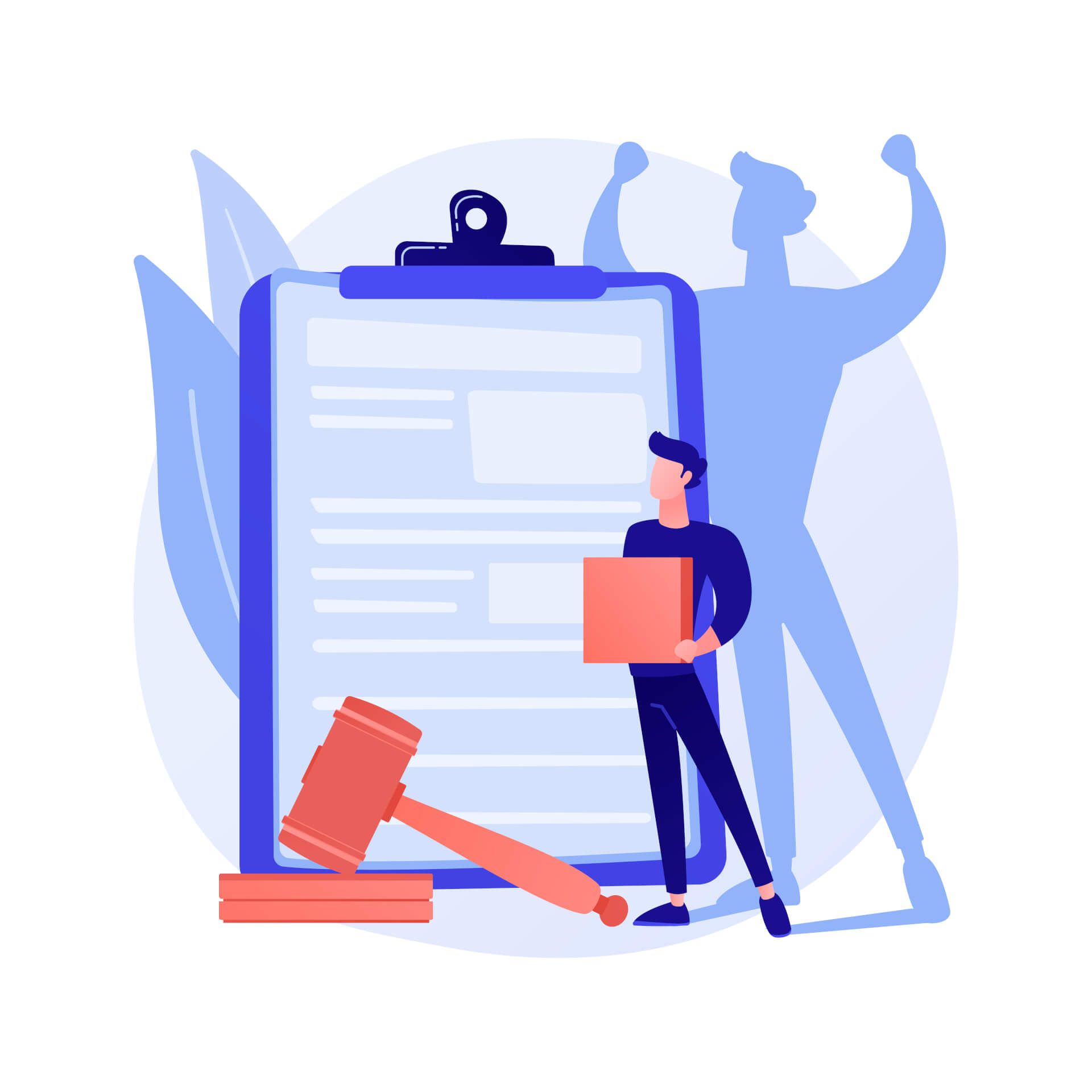
Compliance is a critical aspect that cannot be overlooked, especially when it comes to proposal management.
Ensuring compliance in proposal management is essential for maintaining the integrity of the process, building trust with clients, and avoiding legal issues.
In this article, we will explore the best practices for ensuring compliance in proposal management, the importance of compliance, common challenges, real-world examples, and common misconceptions.
Understanding Compliance in Proposal Management
What is Compliance in Proposal Management?
Compliance in proposal management refers to the adherence to laws, regulations, guidelines, and internal policies throughout the proposal development process. This includes ensuring that proposals are accurate, truthful, and in line with the requirements set forth by clients and regulatory bodies.
Why is Compliance Important in Proposal Management?
Compliance is crucial in proposal management for several reasons.
- Firstly, it helps to build trust with clients by demonstrating that your organization operates ethically and transparently.
- Secondly, it reduces the risk of legal issues and penalties by ensuring that proposals are accurate and in compliance with all relevant regulations.
- Lastly, compliance helps to maintain the integrity of the proposal process and ensures that all stakeholders are on the same page.
Common Challenges in Maintaining Compliance
Maintaining compliance in proposal management can be challenging due to various factors. Some common challenges include
- the complexity of regulations
- the need for constant monitoring and updates
- the lack of awareness among employees about compliance requirements.
Overcoming these challenges requires a proactive approach, clear communication, and robust processes.
Best Practices for Ensuring Compliance in Proposal Management
 Establishing Clear Guidelines and Policies
One of the key best practices for ensuring compliance in proposal management is to establish clear guidelines and policies that outline the requirements for proposals. These guidelines should cover everything from data security and confidentiality to ethical standards and regulatory compliance.
Conducting Regular Training and Education
Another important best practice is to conduct regular training and education sessions for employees involved in the proposal management process. This training should cover compliance requirements, best practices, and case studies to help employees understand the importance of compliance and how to implement it effectively.
Implementing Robust Documentation Processes
Effective documentation is essential for ensuring compliance in proposal management. By implementing robust documentation processes, organizations can track changes, approvals, and revisions to proposals, ensuring that all stakeholders are aware of the latest updates and compliance requirements.
Utilizing Technology for Compliance
Monitoring Technology can play a significant role in ensuring compliance in proposal management. By using proposal management software, organizations can automate compliance checks, track changes, and generate reports to monitor compliance levels and identify areas for improvement.
Conducting Regular Audits and Reviews
Regular audits and reviews are essential for maintaining compliance in proposal management. By conducting internal audits and reviews, organizations can identify potential compliance issues, gaps in processes, and areas for improvement, ensuring that proposals meet all regulatory requirements.
Real-World Examples of Successful Compliance in Proposal Management
Case Study: The Compliance Journey
A leading provider of IT services implemented a robust compliance program in its proposal management process. By establishing clear guidelines, conducting regular training, and utilizing technology for compliance monitoring, the company was able to improve the accuracy and integrity of its proposals, leading to increased client trust and improved win rates.
Lessons Learned from Company Y's Compliance Failures
On the other hand, a competitor of the company faced compliance failures in its proposal management process. Due to a lack of clear guidelines, inadequate training, and poor documentation processes, the company's proposals were inaccurate and non-compliant, leading to legal issues and reputational damage.
This example highlights the importance of effective compliance practices in proposal management.
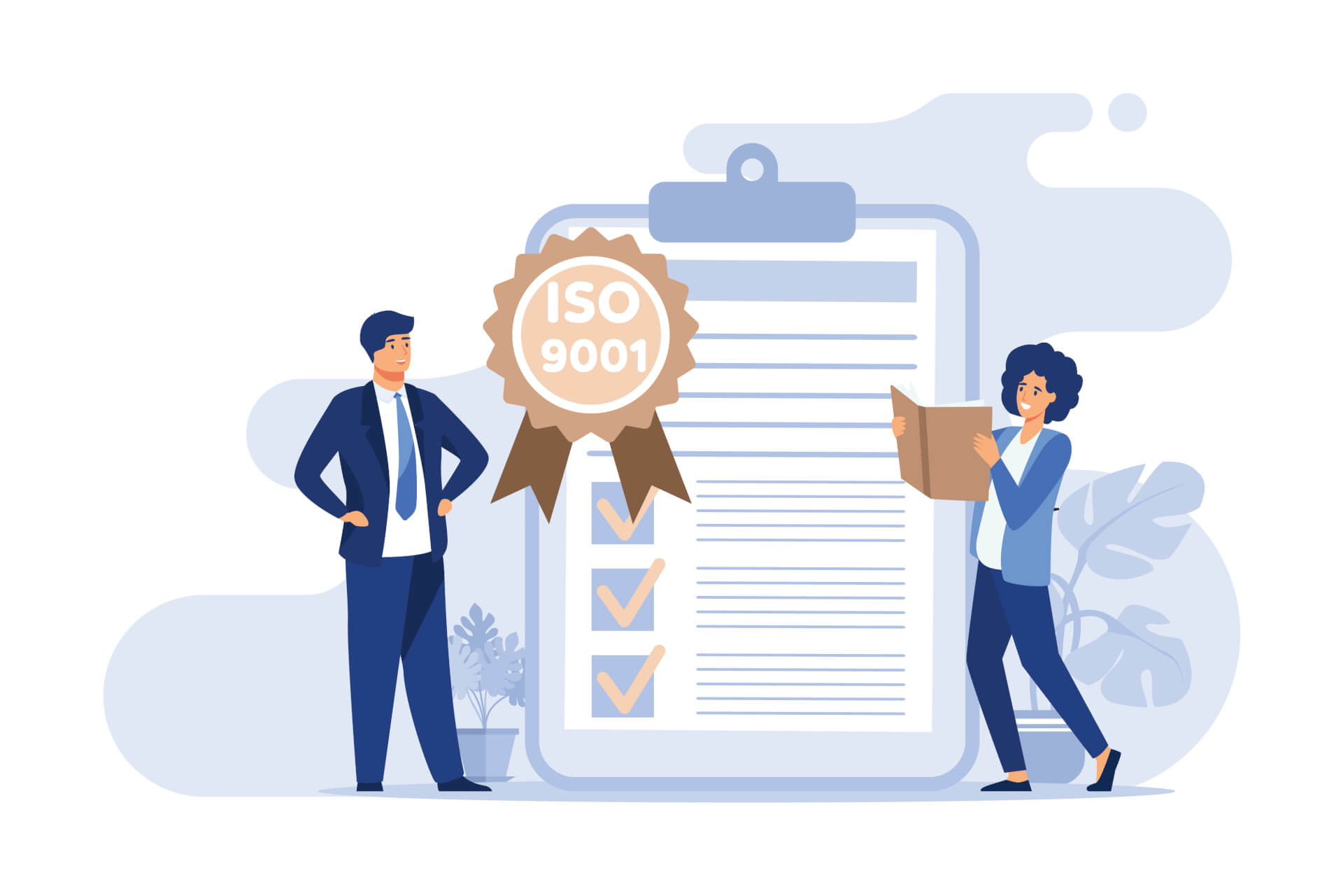 Reading Recommendation: Our Blog Article asks the question: "What are key components to achieve compliance of proposals?"
Common Misconceptions about Compliance in Proposal Management

Myth: Compliance is Just a Box-Ticking Exercise
One common misconception about compliance in proposal management is that it is just a box-ticking exercise.
In reality, compliance is a critical aspect of the proposal process that requires careful attention to detail, accuracy, and integrity.
Myth: Compliance is Only Important for Large Organizations
Another misconception is that compliance is only important for large organizations. In truth, compliance is essential for organizations of all sizes to build trust with clients, avoid legal issues, and maintain the integrity of the proposal process.
Myth: Compliance is the Sole Responsibility of the Legal Department
Some organizations believe that compliance is the sole responsibility of the legal department. However, compliance in proposal management is a collaborative effort that involves multiple stakeholders, including sales, marketing, finance, and operations. By involving all departments in the compliance process, organizations can ensure that proposals meet all regulatory requirements.
Conclusion
In conclusion, compliance is a critical aspect of proposal management that cannot be overlooked. By implementing best practices, conducting regular training, utilizing technology, and conducting audits, organizations can ensure that their proposals are accurate, compliant, and in line with client requirements.
By debunking common misconceptions and learning from real-world examples, organizations can improve their compliance practices and build trust with clients.
 Reading tip: If our article helped you and you would like to learn more about the topic of proposal management, you can find further information here: “Best practices for proposal management"
FAQs on Compliance Best Practices in Proposal Management
How can organizations ensure compliance in proposal management?
Organizations can ensure compliance in proposal management by establishing clear guidelines, conducting regular training, implementing robust documentation processes, utilizing technology for compliance monitoring, and conducting regular audits.
Why is compliance important in proposal management?
Compliance is important in proposal management to build trust with clients, avoid legal issues, and maintain the integrity of the proposal process.
What are some common challenges in maintaining compliance in proposal management?
Some common challenges include the complexity of regulations, the need for constant monitoring and updates, and the lack of awareness among employees about compliance requirements.
How can technology help in ensuring compliance in proposal management?
Technology can help by automating compliance checks, tracking changes, and generating reports to monitor compliance levels and identify areas for improvement.
What are some best practices for conducting regular audits in proposal management?
Best practices include defining audit scope and objectives, conducting interviews with stakeholders, reviewing documentation and processes, and documenting findings and recommendations for improvement.